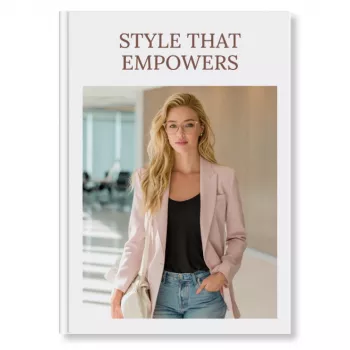
Confidence-friendly style comes from repeatable choices: silhouettes that feel like “you,” a color strategy that flatters, and a simple outfit formula that works on busy mornings. The goal isn’t a perfect wardrobe—it’s a dependable system that helps you look intentional, feel comfortable, and move through the day with a steady, self-assured presence. Research even suggests what you wear can influence how you think and perform (a concept known as enclothed cognition), which makes a practical dressing blueprint worth building.
Before color, trends, or “statement pieces,” start with the basics that make you feel anchored in your body. A great outfit should support your posture and presence—not distract you.
For all-day ease, prioritize breathable cotton blends, structured knits, and mid-weight woven fabrics. A little stretch (where you actually need it) keeps polished pieces wearable. To shape an outfit without feeling “done up,” choose one area to highlight and one to streamline—think defined waist with a clean leg line, or a strong shoulder with a simple skirt. If you’re constantly adjusting something, swap it for a better cut or add a supportive underlayer so you can stay present.
A personal uniform is a shortcut to feeling like yourself on demand. It’s not boring—it’s consistent. When your closet has a clear “default,” you’ll get dressed faster and look more cohesive without extra effort.
One polished staple can carry the whole uniform. For example, Wide-Leg Pleated Trousers for Women can move from meetings to weekend plans simply by changing shoes and accessories.
Choose 3 neutrals + 2 accent colors. Neutrals do the heavy lifting (mixing and matching), while accents keep the look personal. Keep “finishing touches” reliable too: one everyday bag, a simple jewelry set, and a go-to shoe style that works with most outfits. To keep repeated silhouettes feeling fresh, rotate textures—matte vs. satin, knit vs. woven—so the outline stays familiar while the surface changes.
Color is one of the fastest ways to communicate mood and create structure. When you control contrast, you control how “quiet” or “bold” your outfit reads at first glance.
Place brighter colors near your face when you want more visible energy—think a top, scarf, or lipstick. Use deeper shades to create sleek lines and elongation through the torso or legs. A small styling trick that makes outfits look finished: repeat a color at least twice (top + accessory, or shoe + bag detail). When you’re unsure, start with a neutral base and add a single accent for controlled impact.
| Occasion | Base Pieces | Finishing Touch | Why It Works |
|---|---|---|---|
| Workday polish | Wide-leg trousers + fitted top | Simple earrings + structured bag | Clean lines project competence; comfort supports steady body language |
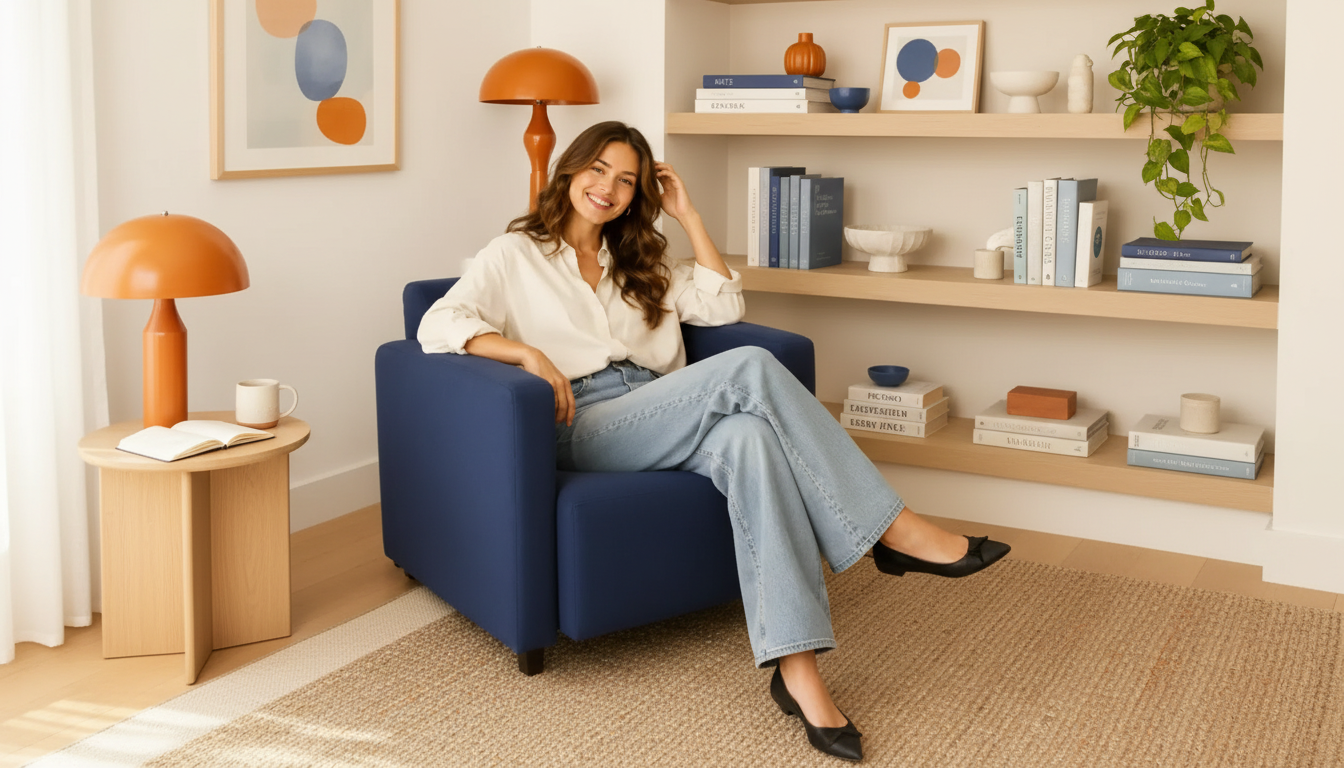
| Casual confidence | High-rise jeans + elevated top | Low-profile sneakers or sleek flats | Relaxed base with a refined top reads effortless, not underdressed |
| Date or dinner | Sheath dress or tailored set | Statement shoe or bold lip | One strong focal point keeps the look memorable and balanced |
| Event-ready | Dress + light layer | Clutch + coordinated jewelry | Layer adds structure; accessories create cohesion in photos |
If you love a one-and-done look, a clean neckline and tailored shape can do the proportion work for you—consider a streamlined option like the AEL Elegant Square Collar Sheath Dress.
Confidence and self-esteem are closely tied to how capable and steady you feel in the moment (see the APA definition of self-esteem). Clothing can’t replace inner work, but it can reduce friction—making it easier to show up as you intend.
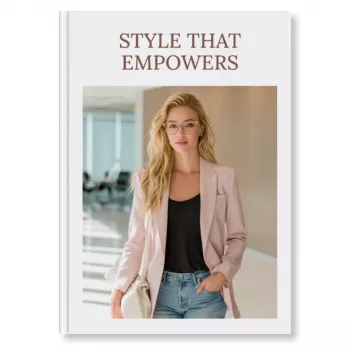
If a step-by-step routine helps you stay consistent, Style That Empowers: How to Dress With Confidence Daily Guide turns these ideas into a repeatable weekly rhythm.
Focus on excellent fit, clean proportions, and one intentional detail like a structured layer, cohesive palette, or a single accent. Confidence reads through comfort and consistency more than volume.
Use a personal uniform: 2–3 silhouettes, a tight color palette, and a few pre-built outfits with shoes and accessories ready. The less you negotiate with your closet, the more polished you look.
Start with one anchor category (pants, dresses, or tops) and choose one signature silhouette that you already enjoy wearing. Then test small changes through color, texture, and accessories before making bigger wardrobe shifts.








Leave a comment